Latest News


Photo courtesy Enric Cruz López
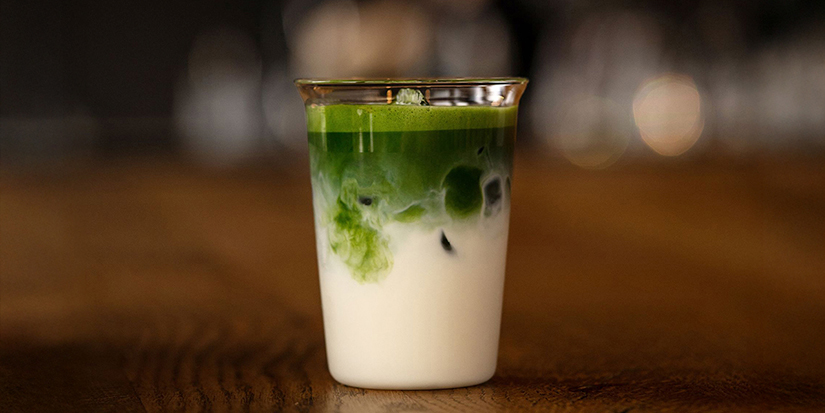
Photo courtesy Olena Bohovyk
About Hydration

Published 4:28 PDT, Thu July 30, 2026


-
About Hydration
BY FLORENCE GORDON
In this edition of Richmond Stories, Richmond
Sentinel host Jim Gordon (JG) sat down with
best-selling author and registered dietitian Rika Mansingh (RM) to discuss the topic of hydration.
Jim Gordon (JG): Rika, in our last interview we
talked about “you can make the change”. Today,
I understand we’re going to talk about some-
thing that really interests me as well, and that
is hydration, and the fact that people do not hy-
drate enough. Let’s start with how important it
is and how much water does someone have to
drink per day – is it six to eight glasses?
Rika Mansingh (RM): First of all, let’s talk about
why it’s so important. For overall cognitive func-
tioning, we need to be well hydrated, and what
is so interesting is that studies have found that
even mild dehydration can impair cognitive
performance, create difficulties with learning
and memory, and increase confusion. A person
can be prone to headaches and fatigue—dehy-
dration can worsen the situation, and we don’t
realize it; we get a headache, take medication,
instead of asking ourselves how many glasses
of water I had the day before. It’s good to be
mindful about that and, you’re right, Jim, six to
eight glasses of fluid in a day is okay. That is the
250-millilitre glass, about a cup size, so 1.5 to 2 li-
tres of water are good in a day. Water is the best
way to hydrate; it’s calorie-free and guilt-free. If
you feel your water needs a boost, you can add
some mint leaves, blueberries, or cucumbers.
My favourite is lemon slices. Lemons have an-
tioxidants and bioflavonoids, which reduce in-
flammation, help flush out toxins, are good for
digestion, and also help prevent fatigue.
JG: Is it possible to overhydrate?
RM: Yes, overhydration, even though it’s not
common, can occur. If a person is having more
than two litres of fluid over a shorter period of
time and if they are not exercising, the excess
fluid can exert a greater workload on your kid-
neys, and that can dilute important electrolytes
like your sodium, potassium, and magnesium.
We need these electrolytes to stay in balance
to help our nerves and muscles function better
and to also prevent dehydration.
JG: I’m about eight days into no coffee; I’m usu-
ally a one coffee a day. I just got tired of paying
for almond, soy, and coconut milk with my coffee.
How many cups of coffee a day should one drink?
RM: About three to four cups of coffee, which
equates to about 400 milligrams of caffeine, is
regarded as okay. But we need to be mindful to
manage the amount of caffeine because caf-
feine is going to make your brain less sensitive
to its natural stimulants like adrenaline and
dopamine. What will happen is you will crave
more caffeine to keep making your brain re-
lease those stimulants; eventually you will feel
depleted and exhausted. Coffee contains three
stimulants, caffeine, theobromine, and theoph-
ylline; what that does is it interrupts your sleep.
JG: In your book, you highlight green tea and
matcha as a brain’s cup of tea. What makes
matcha tea stand out and why is it considered
special for brain health?
RM: Matcha tea contains something called
EGCG, which is epigallocaticin-3-gallage; it
boosts neurogenesis, increases your brain cells,
repairs damaged brain cells, and reduces in-
flammation. Matcha tea also has an amino acid
called L-theanine, which keeps a person calm,
focused, and relaxed. The caffeine in matcha tea
is very little and is released gradually over a slow-
er period of time, so you feel calmer and relaxed.
JG: What are your thoughts on energy drinks?
RM: We have to be mindful of energy drinks' caf-
feine and stimulants, which make our brain less
sensitive to stimulants. They also tend to have
a lot of sugar or artificial sweeteners, which can
disrupt the good bacteria in our gut, making
us crave sweeter foods and causing us to gain
weight. When it comes to fruit juices, even if it
says 100 percent fruit juice, it’s best to go with
fruit instead. Another popular drink is a breakfast
smoothie. It’s an excellent way to hydrate but has
lots of calories, so wise to add just one portion of
fruit, more veggies and protein powder.
JG: A lot of people drink orange juice in the
morning; if it says not concentrate, is that still
not terribly healthy?
RM: I’d say dilute your fruit juice as much as you
can. If you had to choose between fruit juice
and the fruit, I suggest doing the fruit, then
drink a glass of water with lemon in it.
JG: The trend of adding salt to water, is this ad-
visable and are there benefits or drawbacks?
RM: It’s a very recent common practice, and I
have journal articles about it through Dietitians
of Canada. A lot of people are adding salt to
their water to keep their electrolytes in balance.
If you’re exercising, that’s okay. If you’re not ex-
ercising, it’s not a good idea to add salt to every
cup of water you’re having. You have to be very
cautious because excess salt can aggravate or
influence your blood pressure and hyperten-
sion. We don’t want more than 2,300 milligrams
of sodium in a day; that’s about a teaspoonfull.
JG: In an earlier segment, we talked about New
Year’s resolutions and giving up alcohol. Can
you give us some tips to support people with
their goals?
RM: With a focus on health, the latest research
is supporting the idea that alcohol is carcino-
genic; it’s known that six drinks per week can
increase your risk of breast cancer by 40 per-
cent and 10 drinks per week can increase your
risk by 70 percent. There are many non-alcohol-
ic wines, beers or cocktails. When it comes to
cutting back on alcohol, it’s important to have
creative visualization; a person has to actually
visualize themselves going to a restaurant, or-
dering a mocktail, having a social interaction,
enjoying their night, sleeping well and waking
up with energy. The key thing is focusing on
what you want and not what you don’t want. I
like to think about Albert Einstein’s quote. He
says, “Imagination is everything; it is a preview
to life’s coming attractions”. When you imagine
yourself in a better mood, your subconscious
will work in a way to make that vision of yourself
a reality, but you have to imagine it first.
To watch the full interview, visit
richmondsentinel.ca/videos








































































































































































































2 Hours of free financial consulting
Jai Xin Planning Ltd.
C$120.00 C$0.00

Use any of our home staging service and get a second month rental for free!
MiiX Interiors
C$500.00 C$0.00

Get 10% off any order
Phantom Screens Lower Mainland
C$200.00 C$180.00