Arts & Culture
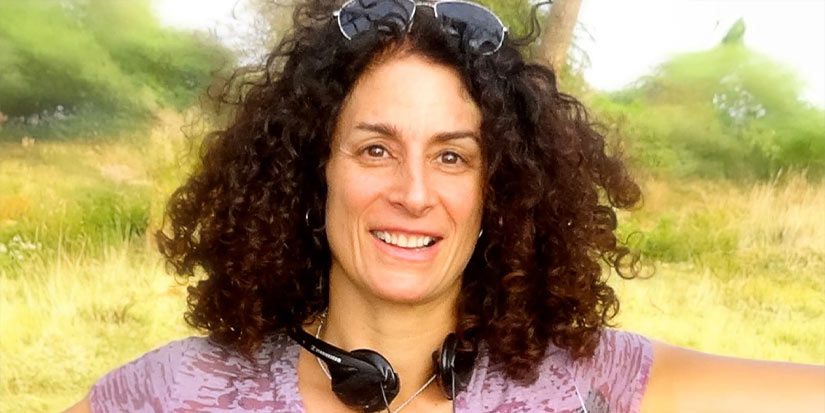
Bill Gaston explores his surprising American heritage
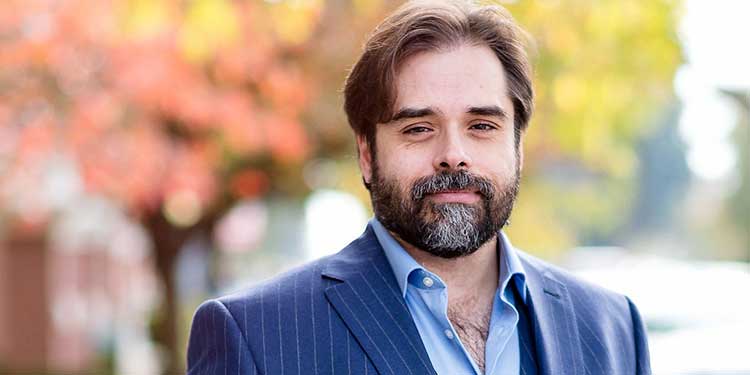
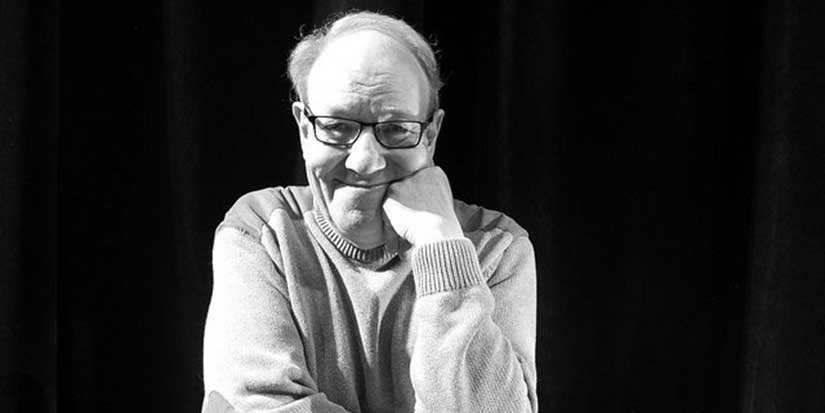
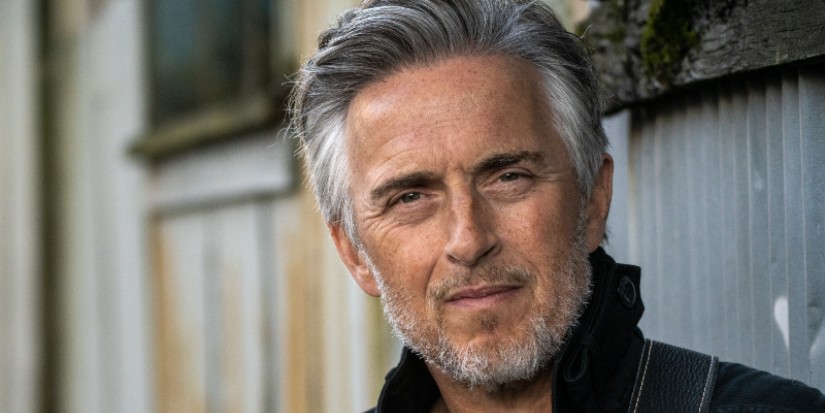
Photo courtesy Bill Gaston
Acclaimed Canadian Author “Spying on America”

Published 11:14 PDT, Wed August 12, 2026
Last Updated: 11:21 PDT, Wed August 12, 2026


-
Our City Tonight recently sat down with Bill Gaston, one of Canada’s most acclaimed authors. His award-winning career spans novels, short fiction, memoirs, poetry, and plays. His latest release, Spying on America—his 20th book—is a thoughtful, often humorous memoir about a road trip with his two sons, through the American West as they explored their American heritage.
OCT: Bill, you were born in the United States but moved to Canada as an infant. You’ve lived in Toronto, Vancouver, and now on one of British Columbia’s Gulf Islands.
BG: Yes, I now live on Gabriola Island. I moved to Canada when I was just nine months old. My dad worked for Sears—back then it was called Sears Roebuck in the United States—and was transferred to Canada. We first lived in Vancouver near 41st Avenue and Fraser Street. Those are actually my earliest memories. We stayed there until I was about three years old before moving on. Over the years, I’ve lived in Winnipeg, Toronto, Vancouver, and several other places.
OCT: Your new book was written as the world was emerging from the COVID-19 pandemic. During that time, you took a road trip with your sons to discover your American roots. What surprised you the most?
BG: The biggest surprise actually came before we even left. I was researching my previous book, Just Let Me Look at You, about my father. He was a very private man who told us almost nothing about his past. In fact, he often made things up because he was so afraid of confronting it. During that research, I discovered that my great-great-great-grandparents, George and Maria Gaston, were Congregationalist ministers. Congregationalists were an offshoot of the Puritans and, in many ways, even stricter. You couldn’t drink tea or coffee, you couldn’t sing or dance—it was a very disciplined way of life. They founded the town of Tabor, Iowa, naming it after the biblical Mount Tabor. Their purpose was to establish the westernmost hub of the “Underground Railroad” to help enslaved people escape north to freedom in Canada. Learning that completely changed my understanding of my family’s history. Even more remarkable was seeing an old photograph of George Gaston. He looks almost exactly like my son Vaughn. It’s uncanny.
OCT: Your other son had some fun teasing Vaughn about looking so much like his ancestor.
BG: He certainly did. There’s actually a museum dedicated to George and Maria Gaston in Tabor, and the town square is called Gaston Square. Many of the original buildings are still standing. Originally, my brother and I had planned to make the trip together. We joked that we’d visit our ancestors’ graves and have a beer with them. But beyond the humour, we genuinely wanted to see this place that had played such an important role in our family history—a history we hadn’t even known existed. In the end, my brother was not able to go, and I made the journey with my two sons instead.
OCT: It made for quite a road trip. You travelled through Washington, Montana, South Dakota, Nebraska, Iowa, Wyoming, Idaho, and Oregon. One thing I noticed in the book was the focus on food. You write that two of the most important things a spy needs to know about a country are what its people eat and what they watch on television. Since you were “spying” on America, could you expand on that?
BG: We travelled primarily through what are often considered red states. It was between Donald Trump’s two presidential terms, so we were observing a part of America that had embraced a political movement many people outside the country struggled to understand. Looking at what people eat and what they watch can tell you a surprising amount about a culture. The typical American diet really stood out to us. There’s an incredible amount of processed food, sugar, and corn syrup. I’ll admit some of it is pretty tasty, and I’m not completely immune to enjoying it myself.
OCT: Your sons weren’t particularly impressed with the food either.
BG: One of my sons has an autoimmune disorder, so he has to be very careful about what he eats. He was genuinely shocked by how difficult it was to find food that wasn’t loaded with sugar or corn syrup. It really highlighted the differences between American and Canadian food culture. That said, we also ate some fantastic meals along the way. Interestingly, most of the best food we found was Mexican cuisine.
OCT: By the end of the journey, did you come away believing that heritage is something we’re born into or something we choose to explore?
BG: The deepest connection I have isn’t with ancestors I never knew. It’s with my children and, one day, with their children. That’s where my heritage truly lives. That’s where I can make a difference and leave something meaningful behind. I couldn’t genuinely form a heartfelt connection with people who lived generations before me, but I can with the generations that follow. That’s the heritage that matters most to me.
OCT: Do you think your sons might someday take their own children back to Tabor and make a similar journey?
BG: I wouldn’t doubt it. I hope they do.
OCT: Your work has earned some of Canada’s highest literary honours. You received the Ethel Wilson Fiction Prize for The World and the Timothy Findley Award recognizing your outstanding body of work, which now spans 20 books. You’ve also been shortlisted for both the Governor General’s Literary Award and The Giller Prize. Congratulations on the release of Spying on America. We hope there are many more books still to come.







































.jpg)


.jpg)





































-825x413.jpg)






2 Hours of free financial consulting
Jai Xin Planning Ltd.
C$120.00 C$0.00

Use any of our home staging service and get a second month rental for free!
MiiX Interiors
C$500.00 C$0.00

Get 10% off any order
Phantom Screens Lower Mainland
C$200.00 C$180.00