Latest News
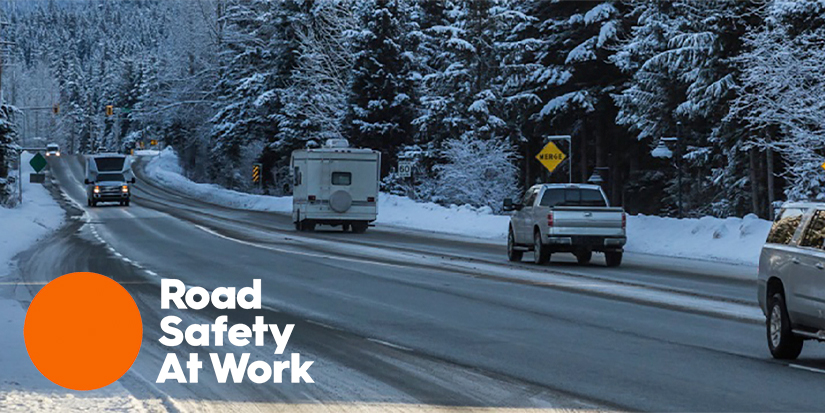
Road Safety At Work

Published 4:00 MST, Fri November 13, 2026
Last Updated: 11:47 MST, Tue November 17, 2026


The Richmond Sentinel is bringing to our readers a series for safe winter driving, whether pleasure or work, as provided by Road Safety at Work. — by Florence Gordon
Our Story
Road Safety at Work is a WorkSafeBC-funded Injury Reduction Initiative managed by the Justice Institute of British Columbia. We were established in late 2009 by WorkSafeBC and the BCAA Traffic Safety Foundation to address road safety issues affecting BC workplaces. We were originally known as an Occupational Road Safety Partnership. The Justice Institute of BC became the Road Safety at Work delivery partner in April 2013.
Heavy rain creates dangerous conditions for Metro Vancouver drivers
Slowing down and leaving more space can help reduce the risk of a collision. Forecast heavy rain will create hazardous driving conditions in Metro Vancouver, reducing visibility and making it harder for drivers to maintain control and stop safely.
“When it’s raining hard, driving conditions can change very quickly,” says Trace Acres, spokesperson for Road Safety at Work’s Winter Driving Safety campaign. “You may not be able to see as far ahead, your tires have less grip, and you need more time and distance to stop safely.”
Heavy rain can cause water to collect on roads, increasing the risk of hydroplaning. When this happens, tires lose contact with the road, and drivers can lose control of their vehicles. Rainfall can also make lane markings, pedestrians, cyclists, and other vehicles more difficult to see. Standing water may conceal potholes or other road hazards.
Driving too fast for the conditions adds to those risks. Posted speed limits are set for ideal conditions, not heavy rain. “Slowing down is one of the most important things you can do,” Acres says. “Leave more space between you and the vehicle ahead. The heavier the rain, the more time and distance you may need to stop safely.”
Consider delaying your trip until conditions improve. If you must drive, check current road conditions on DriveBC and look at the weather forecast before leaving. Be prepared to change your route or plans along the way.
Heavy rain can change work driving plans
Employers and supervisors are responsible for managing the risks of work-related driving, including those caused by changing road and weather conditions. That can mean changing a route, adjusting an appointment or delivery time, delaying a trip, or cancelling it altogether. Employers should also make sure workers know when to stop driving, how to report unsafe conditions, and who to contact if plans need to change. “If you’re driving for work, getting there on time should never take priority over getting there safely,” Acres says. “Workers need to know they can change their plans and contact their supervisor when conditions become unsafe.” Whether you drive occasionally, part time or full time as part of your job, you must follow your organization’s driving procedures.
Adjust your driving to the conditions
Road Safety at Work offers some additional tips for driving safely in heavy rain:
- See and be seen. Manually turn on your headlights to make sure both your headlights and tail lights are fully on. Your “auto” headlight setting may not activate your tail lights during daylight hours.
- Check wiper blades. Replace them if they're worn or they don't clear your windshield effectively.
- Watch for standing water. Don’t drive through it when you can’t tell how deep it is or whether the road beneath is safe.
- Avoid cruise control. On wet or slippery roads, control your speed directly so you can respond to changing conditions.
- Stay focused. Heavy rain demands your full attention. Put away your phone and avoid other distractions.
- Road Safety at Work offers more tips through its Winter Driving Safety campaign at RoadSafetyAtWork.ca/winter.













































































































































2 Hours of free financial consulting
Jai Xin Planning Ltd.
C$120.00 C$0.00

Use any of our home staging service and get a second month rental for free!
MiiX Interiors
C$500.00 C$0.00

Get 10% off any order
Phantom Screens Lower Mainland
C$200.00 C$180.00